


NDIS Provider Finder

Speech Therapy NDIS Providers in Queensland

49 results. Speech Therapy near Queensland. ·20 NDIS registered ·4.8 avg from 16 rated

About Speech Therapy in Queensland

Find Speech Therapy NDIS providers in Queensland, Australia helping with communication, language development, swallowing, and speech difficulties.

Access Method
Language
Age Group
NDIS Status
Specialisation

Showing 49–49 of 49 providers · Page 3 of 3

Sorted by rating

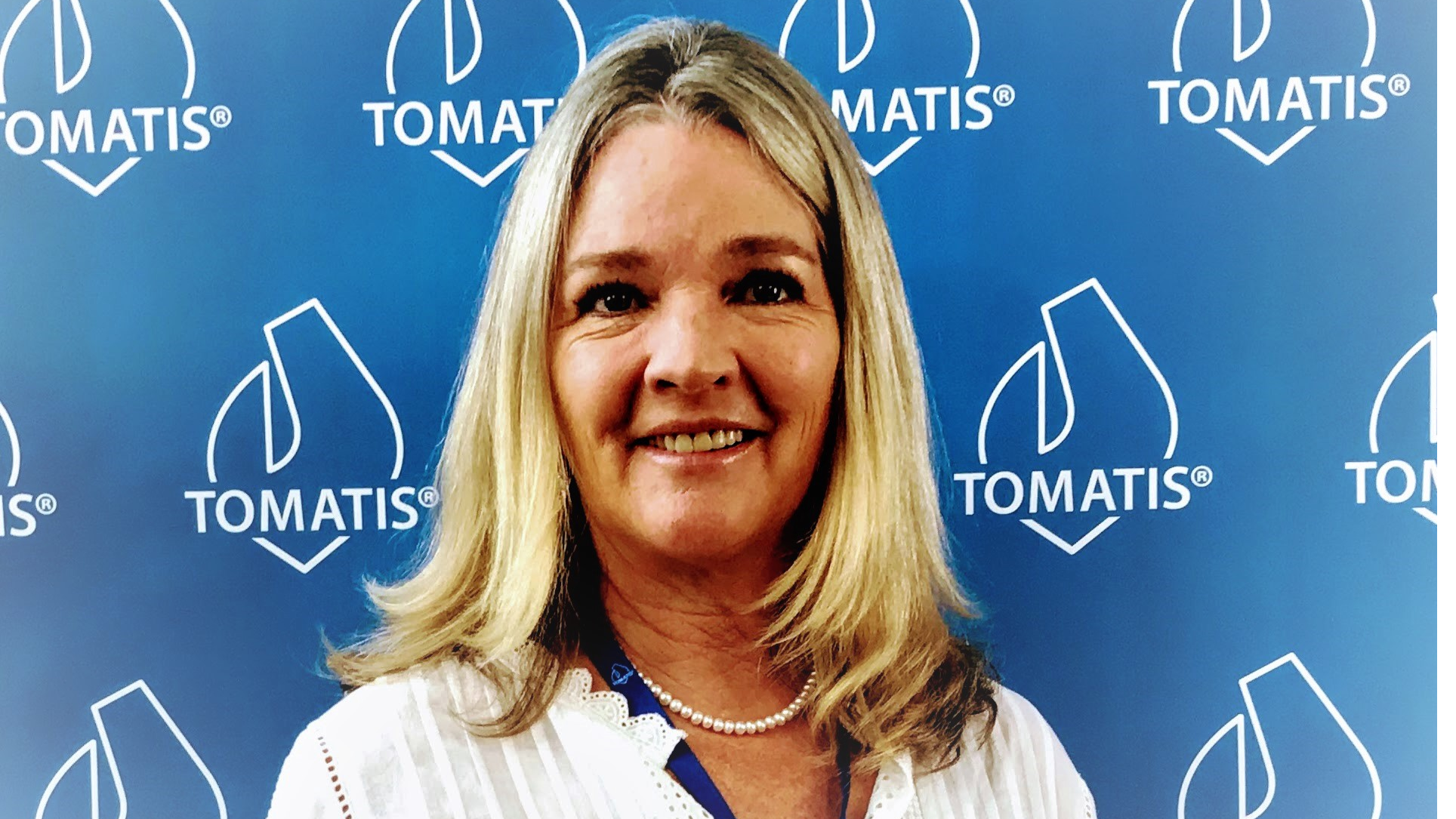
Tomatis Queensland PtyLtd

Speech Therapy

From the provider: Jennifer has lived experience her own child has CP diagnosis and multiple learning challenges. In pursuit of help the family relocated to Canada in 2012. There her son went to cognitive neuroplastic brain school and it was there that she discovered the power of the EAR - BRAIN connections. She became the most qualified Tomatis Consultant in British Colombia and provided the Tomatis Method to children with learning differences and global developmental delays until now. She has returned home to Central Queensland and is excited to share this wonderful modality. She has a very flexible and accommodating approach to all her clients and is happy to share knowledge. Something she has really learnt during this journey is "WE DON'T KNOW WHAT WE DON'T KNOW" there is help out there for our loved ones. Dr. Tomatis was a French ENT and the founder of this work. Jennifer is licensed and consults under the parameters of Tomatis Development SA - Paris, France.

We come to youIn centreOnline All ages

Company · Tannum Sands office ·Serving Brisbane - East, Queensland

View Profile

Showing 49–49 of 49

Not sure which provider is right for you?

Tell us what support you need and we'll match you with suitable Speech Therapy providers in Queensland — free, no obligation.

Understanding Speech Therapy in Queensland

Speech Therapy providers play a vital role in helping NDIS participants achieve their goals and live more independently. In Queensland, providers assist with a wide range of activities tailored to individual NDIS plans and support needs.

What Services Do Speech Therapy Providers Offer?

Providers in Queensland offer diverse services tailored to individual NDIS plans. Common support categories include:

  • Daily Living Assistance: Help with personal care, meal preparation, household tasks, and medication management
  • Community Participation: Support to attend social activities, shopping trips, recreational outings, and community events
  • Skill Development: Training to build independence in areas like cooking, budgeting, and public transport use
  • Therapeutic Support: Access to allied health professionals including OTs, psychologists, and speech therapists

Choosing the Right Provider

Finding the right provider is essential for achieving your NDIS goals. Consider these factors:

Experience & Qualifications

Look for providers with relevant experience in your specific support needs and appropriate certifications.

Cultural & Language Fit

Queensland's diverse community means you can find providers who speak your language and understand your cultural background.

Availability & Flexibility

Ensure the provider can accommodate your preferred schedule, whether weekdays, weekends, or evenings.

NDIS Registration Status

NDIS registered providers meet quality and safety standards. Self-managed participants can also choose unregistered providers.

NDIS Funding for Speech Therapy

Services are typically funded under the Core Supports or Capacity Building budget categories in your NDIS plan. Costs vary based on:

  • Time of service (standard hours, evenings, weekends, public holidays)
  • Complexity of support required
  • Provider qualifications and experience
  • Travel requirements

Plan-managed and self-managed participants have greater flexibility in choosing providers and negotiating rates.

Getting Started with Speech Therapy in Queensland

  1. Review your NDIS plan to understand your funded support categories and budget
  2. Use the filters above to find providers matching your specific needs
  3. Contact multiple providers to compare services, availability, and approach
  4. Request a meet-and-greet to ensure the provider is the right fit
  5. Sign a service agreement outlining services, costs, and expectations

Need Help Finding the Right Provider?

Our free matching service connects you with Speech Therapy providers suited to your needs in Queensland.

Frequently Asked Questions

How much do Speech Therapy providers cost in Queensland?

Speech Therapy rates in Queensland follow the NDIS Price Guide limits. Costs vary based on the type of support, time of service (standard hours, evenings, weekends), worker qualifications, and travel requirements. Plan-managed and self-managed participants have greater flexibility in choosing providers and negotiating rates.

What's the difference between registered and unregistered NDIS providers?

NDIS registered providers have met quality and safety standards set by the NDIS Quality and Safeguards Commission. Agency-managed participants must use registered providers. Self-managed and plan-managed participants can choose either registered or unregistered providers, giving more flexibility in their choices.

Can I change my Speech Therapy provider if it's not working out?

Yes, you have the right to change providers at any time. Review your service agreement for notice periods and discuss any concerns with your provider first. If you're unhappy with the service, you can end the agreement and find a new provider that better meets your needs.

How do I find Speech Therapy providers who speak my language?

Use the Language filter at the top of this page to find providers offering support in your preferred language. Queensland has providers available in many languages including Mandarin, Cantonese, Arabic, Vietnamese, Greek, Italian, and more. You can also specify language requirements when contacting providers directly.

What qualifications should Speech Therapy providers have?

All NDIS workers must have a valid NDIS Worker Screening Check. Many hold qualifications like Certificate III or IV in Individual Support, Disability, or relevant allied health degrees. Specialist providers may have additional training in specific disability types. Always ask providers about their qualifications and experience.